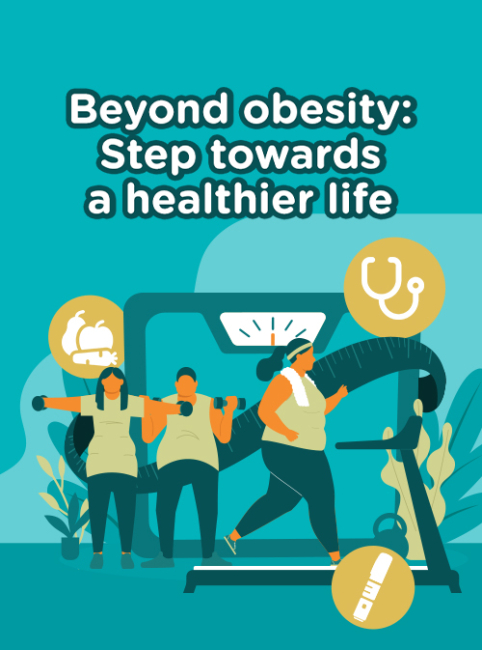
Losing weight doesn’t have to involve expensive supplements, extreme diets, or grueling workouts. Simple, sustainable lifestyle changes are often the most effective way to achieve lasting results. Let’s explore practical approaches that can help you not only shed pounds but maintain a healthier weight for life.

Understanding Your Body and Weight Loss
Before diving into specific strategies, it’s important to understand how your body responds to different approaches. Weight management isn’t just about calories—it’s a complex interplay of biological processes.
The Fundamental Principles of Weight Gain and Loss
At its core, weight management follows a basic principle: when you consume fewer calories than you burn, you lose weight. This calorie deficit is essential, but how you achieve it matters tremendously for long-term success. Research shows that people who lose weight gradually (about 1-2 pounds per week) are more successful at keeping it off [1].
The quality of calories matters just as much as quantity. Foods high in protein and fiber help you feel fuller longer, reducing overall calorie intake without leaving you hungry [2]. This isn’t just theory—studies show that people who focus on food quality rather than just calorie counting tend to maintain weight loss more effectively.
Metabolism’s Role in Weight Management
Your metabolism—the process by which your body converts food into energy—plays a crucial role in weight management. Contrary to popular belief, metabolism isn’t something you’re simply born with; you can influence it through lifestyle choices.
Muscle tissue burns more calories than fat, even when you’re resting. That’s why strength training, metabolism is so valuable—it helps preserve and build muscle mass that keeps your metabolism active [3]. This becomes especially important as we age, since metabolism naturally slows by about 2-3% per decade after age 20.
How Hormones Influence Body Weight
You know what’s interesting about weight loss? It’s not just about willpower—your hormones are major players too. Leptin and ghrelin regulate hunger, while insulin manages blood sugar and fat storage. When these hormones get out of balance, weight management becomes much more challenging [4].
Sleep and stress management can disrupt these hormonal systems. For instance, just one night of poor sleep can increase ghrelin (the “hunger hormone”) and decrease leptin (the “fullness hormone”), making you hungrier the next day [5]. This explains why addressing sleep and stress is crucial for effective weight management.
The Importance of a Healthy Mindset
Alright, moving on to something that doesn’t get enough attention: your relationship with yourself during this journey.
Developing Self-Compassion in Your Weight Loss Journey
Weight loss attempts often come with self-criticism when progress is slower than expected. However, research shows that self-compassion—treating yourself with the same kindness you’d offer a friend—actually improves weight management outcomes [6].
When you slip up (and everyone does), avoid harsh self-judgment. Instead, acknowledge the lapse, understand what triggered it, and move forward with your plan. This self-compassionate approach reduces stress eating and helps maintain motivation during challenging times.
Setting Realistic and Consistent Goals
Setting specific, measurable, achievable, relevant, and time-bound (SMART weight loss goals) increases your chances of success. Rather than aiming to “lose weight,” try “walk 30 minutes five days per week” or “prepare home-cooked meals four nights weekly” [7].
Start with small changes you can maintain. Consistency trumps perfection every time. Tracking these behavioral goals rather than focusing solely on the scale provides motivation even when weight loss plateaus.
Creating a Sustainable Diet
The word “diet” shouldn’t mean temporary restriction but rather your ongoing pattern of eating.
Evaluating and Assessing Your Current Eating Habits
Before making changes, understand your current patterns. Food journaling and awareness for just a week can reveal surprising insights about portion sizes, emotional eating triggers, and nutritional gaps [8]. Pay attention not just to what you eat but when and why.
But wait, there’s more to this than just tracking food. Notice how different meals make you feel physically and emotionally. This awareness helps you identify which foods give you sustained energy versus those that lead to crashes or cravings.
What if Weight Loss is not Happening?
There are a number of reasons why you might not lose weight, even if you undergo positive lifestyle changes. Health conditions such as PCOS can make weight loss tricky, and it can be frustrating to not see any progress whatsoever.
In these situations, you can talk to a doctor to see what could be the problem. Your doctor can help guide you on what steps you need to take, and if needed, take certain medications that can help with weight loss.
Your doctor can recommend medications such as tirzepatide. Tirzepatide is an injectable medication that helps lower blood sugar by improving insulin response and reducing appetite. Studies show it can significantly lower HbA1c levels and support weight loss, which can be beneficial for many people with type 2 diabetes. Coupled with a healthy diet and exercise, it can help significanty when it comes to weight loss.
But remember, there is no “magic drug” that can help you lose weight. It still takes hard work and positive lifestyle changes to get good long-term results.
Key Takeaways
Losing weight effectively comes from simple, sustainable lifestyle changes rather than extreme diets or expensive supplements. Gradual weight loss of 1-2 pounds per week is most successful, and focusing on high-quality, protein- and fiber-rich foods helps you feel full and maintain results. Strength training and building muscle support metabolism, while adequate sleep and stress management help keep hunger and fullness hormones balanced. Developing self-compassion, setting realistic goals, and tracking habits rather than obsessing over the scale improve motivation and long-term success. Being aware of your eating patterns and how different foods make you feel allows you to make healthier, lasting choices.
[embed-health-tool-bmi]