
Extreme Obesity: Causes and Complications
The normal body mass index (BMI) is 18.5 to less than 25. A BMI of 25 or greater is a cause for concern because being overweight or obese increases the risk of many diseases, including type 2 diabetes, heart attack, and stroke.
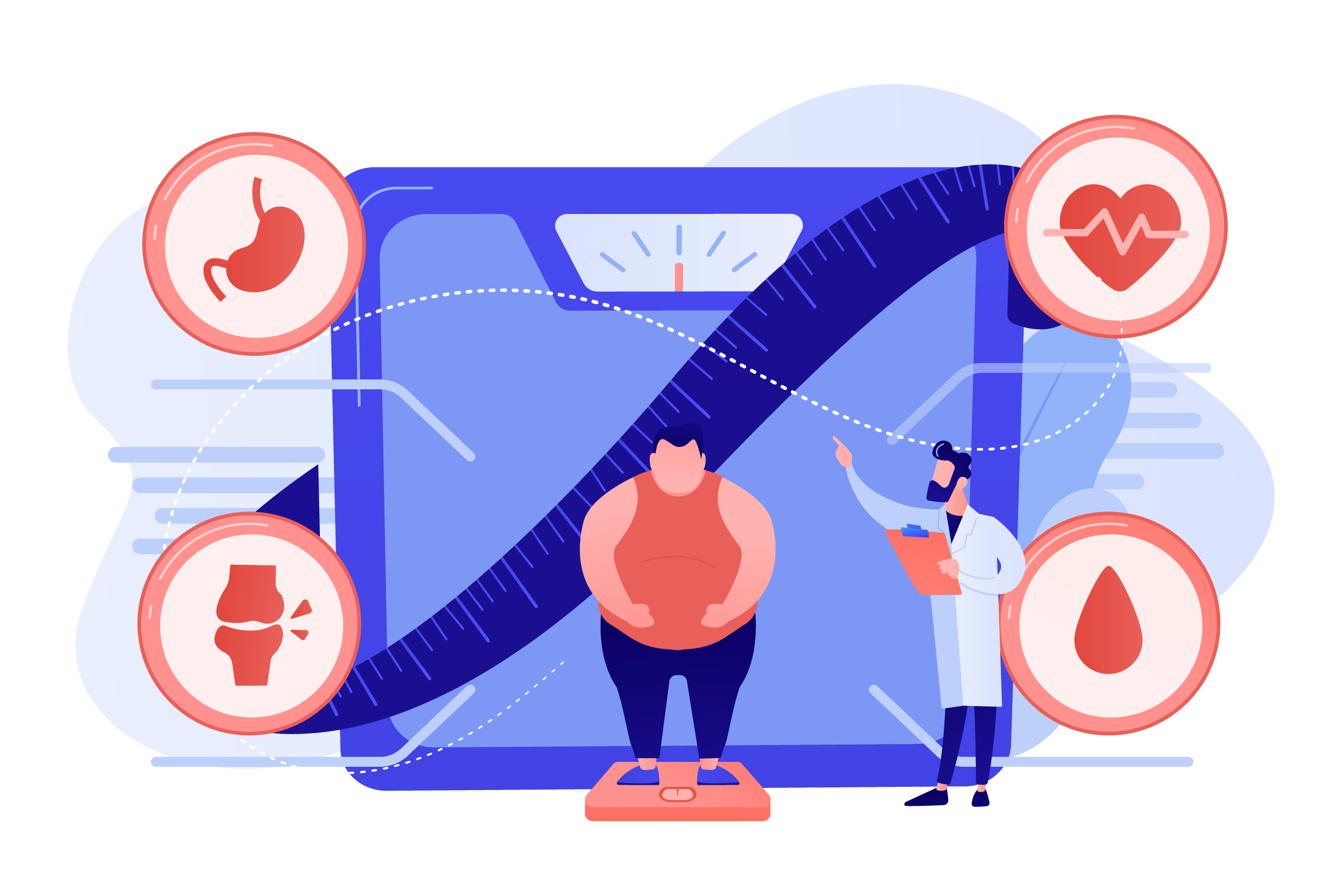
Obesity has three categories:
- Class 1: BMI of 30 to less than 35
- Class 2: BMI of 35 to less than 40
- Class 3: BMI of 40 and above
If the doctor tells you that you’re under class 3, then you are considered severely or morbidly obese. What are the causes and complications of extreme obesity?
Causes of Extreme Obesity

The US Center for Disease Control said that obesity “results from a combination of causes and individual factors.” These causes and factors include:
Diet and Exercise
Reducing the risk of being overweight and obese requires a healthy and balanced diet and regular physical activity.
These help ensure the balance between the calories consumed and used. Excessive intake of calories coupled with a sedentary lifestyle often results in weight gain, which, when left unchecked, can lead to extreme obesity.
Environmental Factors
Note that the person’s behavior on their diet and physical activity may be influenced by their situation at home, school, or workplace.
Case in point: being too busy may make fast food more appealing than cooking meals, and living in an area with no safe side-walk may discourage people from having a walk.
Health Conditions and Medicines
Some health conditions, such as Cushing’s disease and polycystic ovary syndrome (PCOS), may predispose a person to obesity, including extreme obesity.
Likewise, some drugs also trigger weight gain. Examples include some antidepressants and steroids.
Family History and Genetics
Interactions between genes may also play a role in developing obesity. Experts say that while genetic changes happen too slowly to influence the occurrence of obesity, some genes take part in how a person responds to environmental changes by increasing hunger or food intake.
Although rare, it’s also possible that a clear pattern of obesity running in the family is due to the presence of a single variant of a gene (monogenic obesity).
Possible Complications of Extreme Obesity
Morbid obesity can lead to the following symptoms that may interfere with daily routines:
- Fatigue
- Difficulty doing physical activity
- Joint and back pain
- Increased sweating
- Breathlessness
Also, a person with extreme obesity may develop low self-confidence or self-esteem, which may result in feelings of isolation.
Besides the day-to-day health issues, let’s not forget that a person with morbid obesity also has an increased risk for various health conditions, including:
- Type 2 Diabetes – Obesity can make a person resistant to insulin, which may then progress into type 2 diabetes.
- Hypertension and other heart diseases – Obesity, especially extreme obesity, can make it difficult for the heart to pump. This can lead to hypertension and other cardiovascular diseases.
- Increased bad cholesterol and triglycerides – These consequences further put the person at risk of heart problems.
- Sleep apnea – Excessive fat in the tongue and neck can block airflow, especially when one sleeps on their back.
- Gastroesophageal reflux disease – Obesity, especially morbid obesity, overloads and weakens the lower esophageal sphincter, the valve that ensures food will not backflow once it’s in the stomach. The weakening may lead to GERD.
- Difficulty with physical functioning – This happens due to multiple problems that limit movement. Examples include body pain and osteoarthritis.
Finally, extreme obesity can wreak havoc on the person’s mental health, which may progress into anxiety or even depression.
Treating Extreme Obesity
Treating extreme obesity usually starts with lifestyle changes, which form the foundation of weight management. This means adopting a healthy, balanced diet that reduces excess calories while still giving your body the nutrients it needs, along with regular physical activity that fits your abilities and lifestyle. For many people, behavioral changes such as paying attention to eating habits, setting achievable goals, and getting support from professionals or support groups help make these lifestyle changes stick long term. In some cases, structured programs at weight-management clinics or counseling may be recommended.
When lifestyle changes alone aren’t enough, medical interventions can be added. For some individuals with very high body mass index (BMI) or serious health problems related to obesity, bariatric surgery (like gastric bypass or sleeve gastrectomy) may be recommended because it can lead to substantial and lasting weight loss and improvement in conditions like type 2 diabetes and high blood pressure. Medications approved for long-term weight management can help reduce appetite or absorption of calories. These treatments are usually combined with diet, exercise, and regular follow-up to maximize benefits and monitor safety.
One of the newer medical treatments for severe obesity is tirzepatide , a once-weekly injectable medication that targets hormones involved in appetite and metabolism. Clinical evidence shows tirzepatide can help people lose a significant percentage of their body weight while also improving metabolic health when used alongside a reduced-calorie diet and increased physical activity. Because medications like tirzepatide work best as part of a comprehensive plan and can have side effects or interactions, it’s important to use them only after consulting a doctor who can tailor treatment to your needs and ensure you maintain a healthy diet and lifestyle while taking it.
Key Takeaways
Extreme obesity leads to multiple health issues that interfere with the activities of daily living. But it also increases the risk of more serious conditions, such as heart disease, type 2 diabetes, and mental health concerns.
For this reason, it’s crucial to achieve and maintain a healthy weight. If you have problems with your weight loss goals, don’t hesitate to consult your doctor.
Learn more about Obesity here.

