Human papilloma virus infections and cancer of the cervix are two interrelated conditions. What’s the connection between HPV and cervical cancer?
HPV, or human papillomavirus, is a very common group of viruses that infect both men and women. It is so common that most people will get some type of HPV in their life.
Most of the time, though, they do not pose any threat, except for some types that are capable of causing genital warts and even, cancer.
Some people think that it’s only possible to get HPV through penetrative sex, but according to doctors, that’s not the case.
Since HPV affects the throat, mouth, and genital area, you can contract HPV through:
- Sharing of sex toys
- Skin-to-skin contact of the genital area
- Vaginal, oral, or anal sex
Additionally, you can get infected even if you only have one lifetime sexual partner, provided your partner has had previous sexual activities. The minute you become sexually active, you’re already at risk of getting the virus.
But what’s the connection between HPV and cervical cancer?
Cervical cancer is cancer that begins in the cervix—the part that connects the vagina to the upper part of the uterus. Mainly, cervical cancer affects sexually active women aged 30 to 45. However, in some instances, it may also be seen in women who are in their 20s.
Since it is cancer, there are a lot of risk factors to consider. Some of them are:
- Having HIV
- Having any condition that makes it hard for your body to fight health problems
- Being sexually active with several partners
- Giving birth to 3 or more children
- Using birth control pills for years (5 or more)
But ultimately, the most common risk factor in acquiring cervical cancer is HPV.
The Connection between HPV and Cervical Cancer
The connection between HPV and cervical cancer lies heavily in incidence rates. According to Cancer.Gov, “virtually all cervical cancers are caused by HPV.” This is also a statement backed by the CDC or the Centers for Disease Control.
The WHO even released data announcing that there are two types of HPV that cause 70% of cervical cancers and pre-cancerous lesions in the cervix. These potentially harmful HPVs are types 16 and 18.
The good news is most women who contract HPV will not have cervical cancer as many are of low-risk types. Still, doctors are encouraging women to have regular cervical screening tests.
How Long Before HPV Turns into Cervical Cancer?
Now that you have a clear idea about the connection between HPV and cervical cancer, let’s tackle one important question: how long does it take before an HPV infection turns into cervical cancer?
According to the WHO, most HPV infections will clear up on their own, and the majority of the pre-cancerous lesions will eventually resolve.
However, women should not be complacent. This is because there’s always a chance of contracting high-risk HPV types which can cause cancer of the cervix. It usually starts with abnormal findings in the Pap smear. When that progression will happen depends on a woman’s immune system and virulence of the HPV
A woman with a healthy immune system may develop cervical cancer in 15 to 20 years, while those with weaker immunity can acquire it in 5 to 10 years.
Risk Factors for Persistence of HPV Infections and Possible Progression of Cervical Cancer
The connection between HPV and cervical cancer can be affected by the following risk factors. These risk factors affect the persistence of HPV and the progression of the cancer of the cervix:
- Cigarette smoking. Cigarettes are also known as “cancer sticks” as they may increase the risk of getting many types of cancer.
- Parity. This is the number of children a woman has given birth to. An additional factor is the woman’s age when she gave birth to her eldest child.
- Immunity status. People who have HIV or any condition that will compromise their immunity are more at risk of rapid progression to pre-cancer or cancer.
- Co-infection. The condition of having two or more sexually transmitted infections at a time also increase the possibility of HPV infection and cervical cancer.
- HPV type. As mentioned earlier, not all types of HPV causes cancer. Only certain types pose a larger threat.
With the connection between HPV and cervical cancer in mind, what are the possible ways to prevent both the infection and cancer? Experts suggest the following:
- Quit smoking.
- Stay monogamous in your sexual activities.
- Use a latex condom for penetrative sex. Please note that this will only lower the risk as you can still get the virus through other modes.
- Get vaccinated against HPV.
- Screen for cervical cancer regularly.
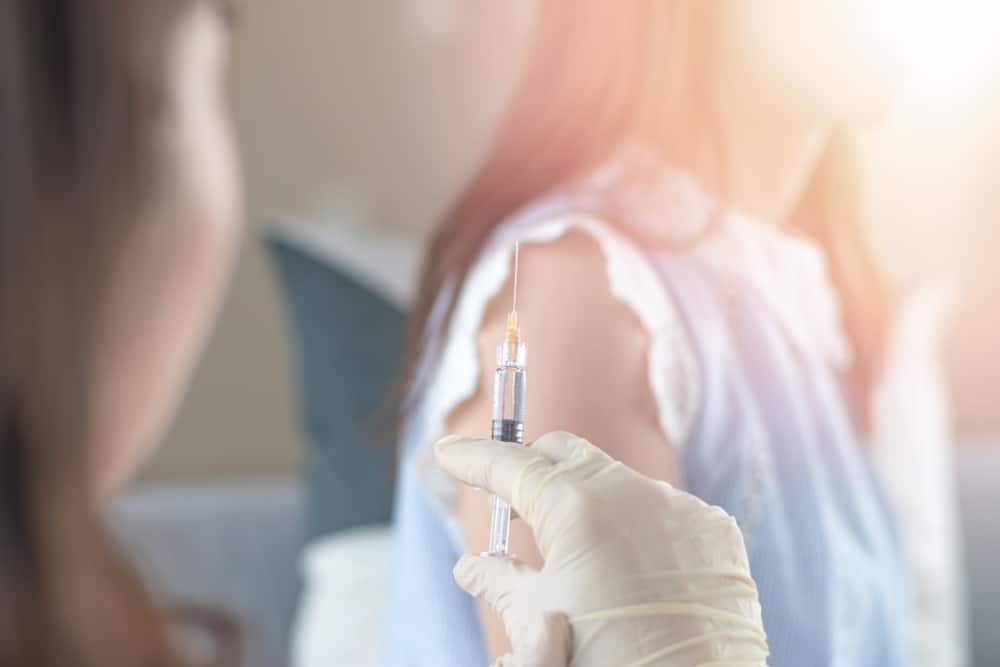
The best way to prevent HPV and cervical cancer is to get vaccinated. The CDC points out the following about HPV vaccine:
- The vaccine is given to children as young as 9 years old, but more commonly when they are 11 or 12.
- As much as possible, the vaccine should be administered before the person becomes sexually active.
- If not vaccinated yet, you can still get the vaccine up to 45 years. Please note that the older you get the vaccine, the less effective it becomes in lowering the risk of cervical cancer.
- The US Food and Drug Administration expanded the approved age range from 9 through 26 to 9 through 45 in both men and women.
A woman aged 21 to 65 years old should be regularly screened for cervical cancer. There are two ways to screen this condition:
- Pap Smear. This test looks for pre-cancers or changes in the cervical cells that could indicate possible cancerous conditions.
- HPV Test. This test checks the cervical cells for the presence of HPV.
You don’t have to be screened using both tests. If you are 21 to 29 years old, you’ll only have the Pap smear. With normal results, it may be done once a year for conventional Pap smear or every 3 years for liquid-based cytology.If you’re 30 to 65 years old, a normal Pap smear result will last for 3 years before you need to get tested again. HPV screening will last for 5 years before the doctor asks you for another test. You can also decide to get both of the screening tests.
Key Takeaways
Many experts emphasize the solid connection between HPV and cervical cancer. If you want to prevent getting cancer of the cervix, it’s essential that you also prevent HPV infection.
Learn more about Sexual Wellness here.