
Pentavalent Vaccine for Babies: Here's What Parents Need to Know
Essential Guide to Pentavalent Vaccine for Your Baby’s Health
Navigating your baby’s vaccination schedule can feel overwhelming. As a parent, you want to make informed decisions about your child’s health, and understanding the pentavalent vaccine is a crucial part of that journey. This comprehensive guide will walk you through everything you need to know about this important vaccine that protects your little one from five potentially serious diseases.
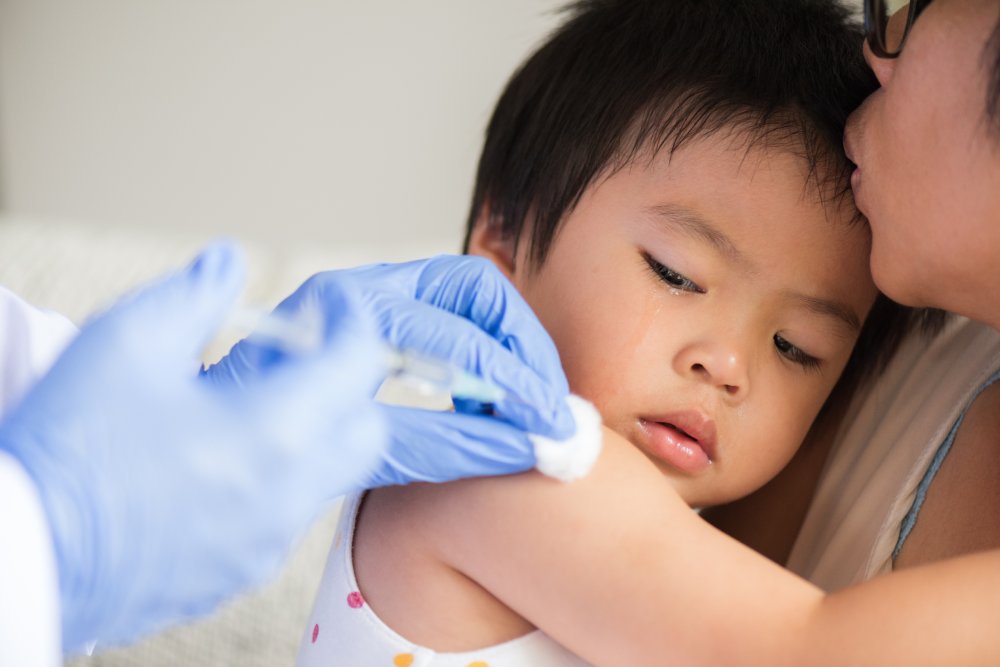
What is the Penta Vaccine and Why is it Important?
The pentavalent vaccine (also called the “5-in-1” or “penta vaccine”) is a combination vaccine that offers protection against five potentially life-threatening diseases in a single shot. This vaccine represents one of the most significant advancements in childhood immunization, helping to simplify protection against multiple diseases [1].
Overview of the Penta Vaccine
The pentavalent vaccine combines five individual vaccines into one injection, protecting against diphtheria, tetanus, pertussis (whooping cough), hepatitis B, and Haemophilus influenza type b (Hib) disease [2]. Before its development, children needed separate injections for each disease, resulting in more clinic visits, increased discomfort, and higher chances of missed doses. The World Health Organization (WHO) recommends this vaccine as part of the standard childhood immunization schedule worldwide, including in the Philippines [5].
Diseases Prevented by the Penta Vaccine
Each disease targeted by the pentavalent vaccine can cause serious health complications:
- Diphtheria: A bacterial infection that can lead to breathing problems, heart failure, and even death
- Tetanus: Causes painful muscle spasms and can be fatal
- Pertussis (whooping cough): Causes severe coughing fits that can lead to breathing difficulties, especially dangerous for babies
- Hepatitis B: A viral infection that attacks the liver and can lead to chronic liver disease
- Haemophilus influenz type b (Hib): Can cause severe pneumonia, meningitis, and other serious infections [3]
Research shows that widespread immunization programs using the pentavalent vaccine have dramatically reduced the incidence of these diseases in vaccinated populations [6].
How the Penta Vaccine Works
The pentavalent vaccine works like other vaccines by introducing inactive or weakened parts of the disease-causing organisms into the body. These don’t cause disease but stimulate the immune system to produce antibodies against these pathogens. When your baby later encounters the actual disease-causing germs, their immune system already knows how to fight them off effectively [4]. Studies have confirmed the vaccine’s effectiveness in producing immune responses against all five target diseases with minimal interference between the components [9].
Vaccination Schedule: When Should Your Baby Receive the Penta Vaccine?
Following the recommended pentavalent vaccine schedule is crucial for your baby’s protection.
Recommended Ages for Administration
According to the World Health Organization, the pentavalent vaccine should typically be administered at 6 weeks, 10 weeks, and 14 weeks of age [10]. However, specific schedules may vary slightly between countries. In many regions, including the Philippines, the first dose may be given as early as 6 weeks, with subsequent doses spaced at least 4 weeks apart. This timing is carefully designed to provide protection when babies are most vulnerable while ensuring their immune systems are mature enough to respond effectively to the vaccine [7].
Importance of Following the Vaccination Schedule
Adhering to the recommended schedule is crucial because:
- Each dose builds upon the protection offered by previous doses
- Delaying vaccination leaves your child unprotected during vulnerable periods
- The timing is optimized to provide protection before exposure risk increases
- Complete series ensures maximum protection against all five diseases [8]
Research has shown that children who receive vaccines according to the recommended schedule have better protection compared to those with delayed or incomplete vaccination [13].
Tips for Keeping Track of Vaccinations
To ensure your baby receives all recommended vaccines on time:
- Ask your healthcare provider for a vaccination record card
- Use smartphone apps designed for tracking vaccinations
- Set calendar reminders for upcoming appointments
- Always bring your vaccination record to healthcare visits
- Consider taking a photo of the vaccination record as a backup
Remember, your healthcare provider’s clinic also maintains these records, so you can always check with them if you’re unsure about your child’s vaccination status.

