Tirzepatide represents a significant advancement in diabetes management, offering patients a powerful new option for controlling blood sugar while providing additional health benefits. As interest grows around this innovative medication, understanding both its benefits and potential side effects becomes crucial for patients and healthcare providers alike.
Understanding Tirzepatide
Tirzepatide has emerged as a groundbreaking treatment option for adults with type 2 diabetes. This once-weekly injectable medication works differently from many existing diabetes treatments, potentially offering advantages beyond traditional therapies [1].
What is Tirzepatide and How Does It Work?
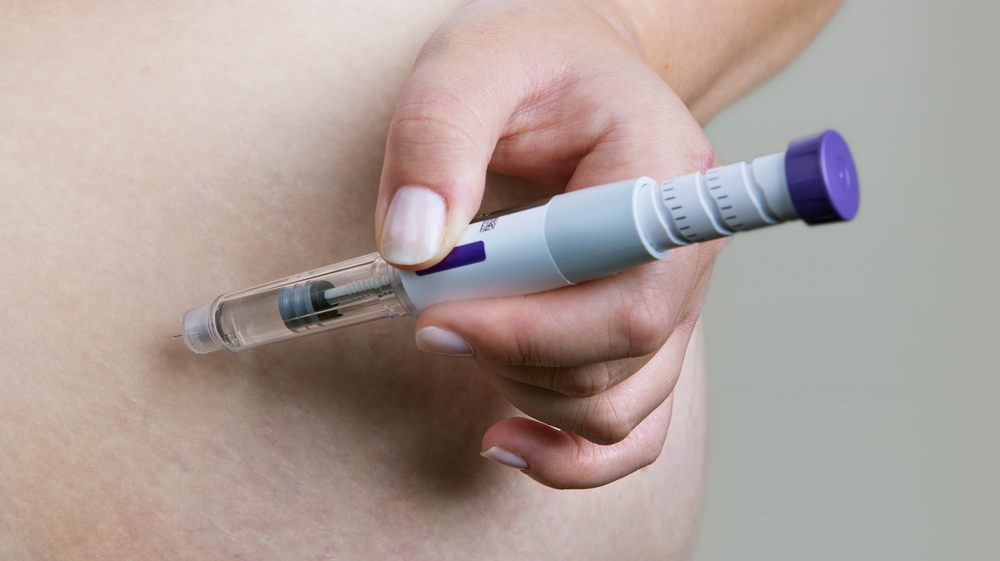
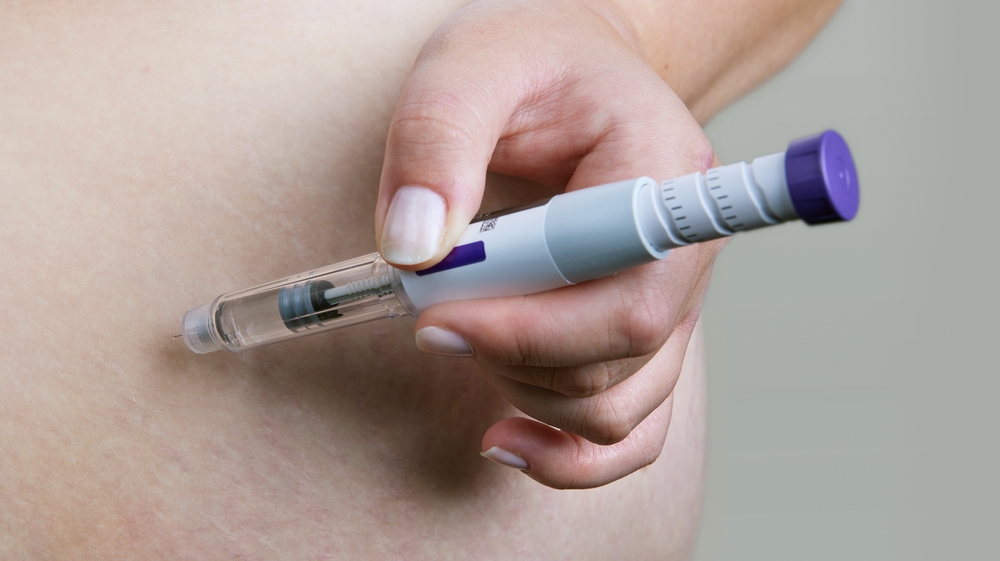
Tirzepatide is the first FDA-approved dual glucose-dependent insulinotropic polypeptide (GIP) and glucagon-like peptide-1 (GLP-1) receptor agonist. Unlike medications that target only one pathway, tirzepatide’s dual-action mechanism for type 2 diabetes management provides a comprehensive approach to managing type 2 diabetes [2]. The medication is administered through a subcutaneous injection once weekly, making it convenient for patients compared to daily treatments.
The standard starting dose is typically 2.5 mg weekly for the first 4 weeks, which is then gradually increased to minimize side effects. This dose titration approach allows the body to adjust to the medication while maximizing its efficacy [3].
The Importance of GIP and GLP-1 Receptor Agonism
The dual-receptor targeting of tirzepatide represents a significant pharmacological advancement. GLP-1 receptor agonists have been available for some time, but the addition of GIP receptor agonism appears to enhance metabolic benefits. Clinical studies suggest that this combination produces superior effects on glucose control and weight reduction compared to single-receptor targeting medications [4].
Both GIP and GLP-1 are naturally occurring hormones that regulate insulin secretion and glucose metabolism. By mimicking and enhancing these natural processes, tirzepatide helps restore more normal metabolic function in patients with type 2 diabetes [2].
How Tirzepatide Works
Understanding how tirzepatide works in the body helps explain its impressive clinical results and positions it as more than just another diabetes medication.
It Mimics Hormonal Functions
Tirzepatide is structurally similar to human GIP with modifications that allow it to activate both GIP and GLP-1 receptors. This dual-receptor activation creates a synergistic effect that enhances the body’s natural response to elevated blood glucose [5].
The medication binds to receptors on pancreatic beta cells, activating pathways that increased fullness and insulin release when glucose levels are elevated. This glucose-dependent mechanism helps reduce the risk of hypoglycemia compared to insulin or sulfonylureas [2].
Effects on Insulin Secretion and Glucose Regulation
When blood glucose levels rise after a meal, tirzepatide stimulates insulin secretion from pancreatic beta cells. Simultaneously, it suppresses glucagon release from alpha cells, reducing hepatic glucose production [1]. This dual action effectively lowers blood glucose levels without causing dangerous drops in blood sugar.
Research has shown that tirzepatide can reduce HbA1c levels by 1.8% to 2.1%, depending on the dose, which represents substantial improvement in glycemic control for many patients [4].
Impacts on Gastric Emptying and Weight Management
Beyond its direct effects on glucose metabolism, tirzepatide slows gastric emptying, which helps control post-meal glucose spikes and contributes to increased satiety [6]. This delayed gastric emptying and satiety, combined with centrally-mediated appetite suppression and weight loss, leads to reduced food intake and significant weight loss in most patients.
Clinical trials have demonstrated weight reductions of 7-15% of body weight in participants taking tirzepatide, making it one of the most effective medications for blood-sugar control and weight management in people with type 2 diabetes [7].
Clinical Evidence Supporting Tirzepatide’s Efficacy
The approval of tirzepatide was based on robust clinical evidence demonstrating its effectiveness for diabetes management.
Overview of Key Clinical Trials
Tirzepatide has been extensively studied in multiple phase 3 clinical trials involving thousands of participants worldwide. These studies have consistently shown superior efficacy compared to many existing diabetes treatments [8]
The SURPASS clinical trial program specifically evaluated tirzepatide against both placebo and active comparators, including insulin degludec, insulin glargine, and semaglutide, another GLP-1 receptor agonist [4].
Results from the SURPASS Clinical Trial Program
The SURPASS program demonstrated remarkable results for tirzepatide. In SURPASS-2, for example, participants receiving 15 mg of tirzepatide experienced average HbA1c reductions of 2.3% and weight loss of 12.4 kg, significantly outperforming semaglutide [9].
SURPASS-4 showed that tirzepatide not only improved glycemic control but also potentially offered cardiovascular benefits, with a 20% reduction in the risk of major adverse cardiovascular events compared to insulin glargine [8].
Tirzepatide represents a significant advancement in diabetes management, offering patients a powerful new option for controlling blood sugar while providing additional health benefits. As interest grows around this innovative medication, understanding both its benefits and potential side effects becomes crucial for patients and healthcare providers alike.
Understanding Tirzepatide: A Novel Diabetes Treatment
Tirzepatide has emerged as a groundbreaking treatment option for adults with type 2 diabetes. This once-weekly injectable medication works differently from many existing diabetes treatments, potentially offering advantages beyond traditional therapies [1].
What is Tirzepatide and How Does It Work?
Tirzepatide is the first FDA-approved dual glucose-dependent insulinotropic polypeptide (GIP) and glucagon-like peptide-1 (GLP-1) receptor agonist. Unlike medications that target only one pathway, tirzepatide’s dual-action mechanism for type 2 diabetes management provides a comprehensive approach to managing type 2 diabetes [2]. The medication is administered through a subcutaneous injection once weekly, making it convenient for patients compared to daily treatments.
The standard starting dose is typically 2.5 mg weekly for the first 4 weeks, which is then gradually increased to minimize side effects. This dose titration approach allows the body to adjust to the medication while maximizing its efficacy [3].
The Importance of GIP and GLP-1 Receptor Agonism
The dual-receptor targeting of tirzepatide represents a significant pharmacological advancement. GLP-1 receptor agonists have been available for some time, but the addition of GIP receptor agonism appears to enhance metabolic benefits. Clinical studies suggest that this combination produces superior effects on glucose control and weight reduction compared to single-receptor targeting medications [4].
Both GIP and GLP-1 are naturally occurring hormones that regulate insulin secretion and glucose metabolism. By mimicking and enhancing these natural processes, tirzepatide helps restore more normal metabolic function in patients with type 2 diabetes [2].
The Mechanism of Action Behind Tirzepatide
Understanding how tirzepatide works in the body helps explain its impressive clinical results and positions it as more than just another diabetes medication.
How Tirzepatide Mimics Hormonal Functions
Tirzepatide is structurally similar to human GIP with modifications that allow it to activate both GIP and GLP-1 receptors. This dual-receptor activation creates a synergistic effect that enhances the body’s natural response to elevated blood glucose [5].
The medication binds to receptors on pancreatic beta cells, activating pathways that increased fullness and insulin release when glucose levels are elevated. This glucose-dependent mechanism helps reduce the risk of hypoglycemia compared to insulin or sulfonylureas [2].
Effects on Insulin Secretion and Glucose Regulation
When blood glucose levels rise after a meal, tirzepatide stimulates insulin secretion from pancreatic beta cells. Simultaneously, it suppresses glucagon release from alpha cells, reducing hepatic glucose production [1]. This dual action effectively lowers blood glucose levels without causing dangerous drops in blood sugar.
Research has shown that tirzepatide can reduce HbA1c levels by 1.8% to 2.1%, depending on the dose, which represents substantial improvement in glycemic control for many patients [4].
Impacts on Gastric Emptying and Weight Management
Beyond its direct effects on glucose metabolism, tirzepatide slows gastric emptying, which helps control post-meal glucose spikes and contributes to increased satiety [6]. This delayed gastric emptying and satiety, combined with centrally-mediated appetite suppression and weight loss, leads to reduced food intake and significant weight loss in most patients.
Clinical trials have demonstrated weight reductions of 7-15% of body weight in participants taking tirzepatide, making it one of the most effective medications for blood-sugar control and weight management in people with type 2 diabetes [7].
Clinical Evidence Supporting Tirzepatide’s Efficacy
The approval of tirzepatide was based on robust clinical evidence demonstrating its effectiveness for diabetes management.
Overview of Key Clinical Trials
Tirzepatide has been extensively studied in multiple phase 3 clinical trials involving thousands of participants worldwide. These studies have consistently shown superior efficacy compared to many existing diabetes treatments [8].
The SURPASS clinical trial program specifically evaluated tirzepatide against both placebo and active comparators, including insulin degludec, insulin glargine, and semaglutide, another GLP-1 receptor agonist [4].
Results from the SURPASS Clinical Trial Program
The SURPASS program demonstrated remarkable results for tirzepatide. In SURPASS-2, for example, participants receiving 15 mg of tirzepatide experienced average HbA1c reductions of 2.3% and weight loss of 12.4 kg, significantly outperforming semaglutide [9].
SURPASS-4 showed that tirzepatide not only improved glycemic control but also potentially offered cardiovascular benefits, with a 20% reduction in the risk of major adverse cardiovascular events compared to insulin glargine [8].
Key Takeaways
Tirzepatide is a novel once-weekly injectable medication for adults with type 2 diabetes that works as a dual GIP and GLP-1 receptor agonist, offering a comprehensive approach to blood sugar management. Its dual-action mechanism enhances insulin secretion, suppresses glucagon, slows gastric emptying, and promotes satiety, leading to improved glycemic control and significant weight loss. Clinical trials, particularly the SURPASS program, have shown that tirzepatide can reduce HbA1c by up to 2.3% and body weight by over 12 kg, while also potentially lowering cardiovascular risks. These benefits, combined with convenient dosing and a glucose-dependent mechanism that reduces hypoglycemia risk, position tirzepatide as a major advancement in diabetes treatment, though awareness of potential side effects remains essential.
[embed-health-tool-bmi]