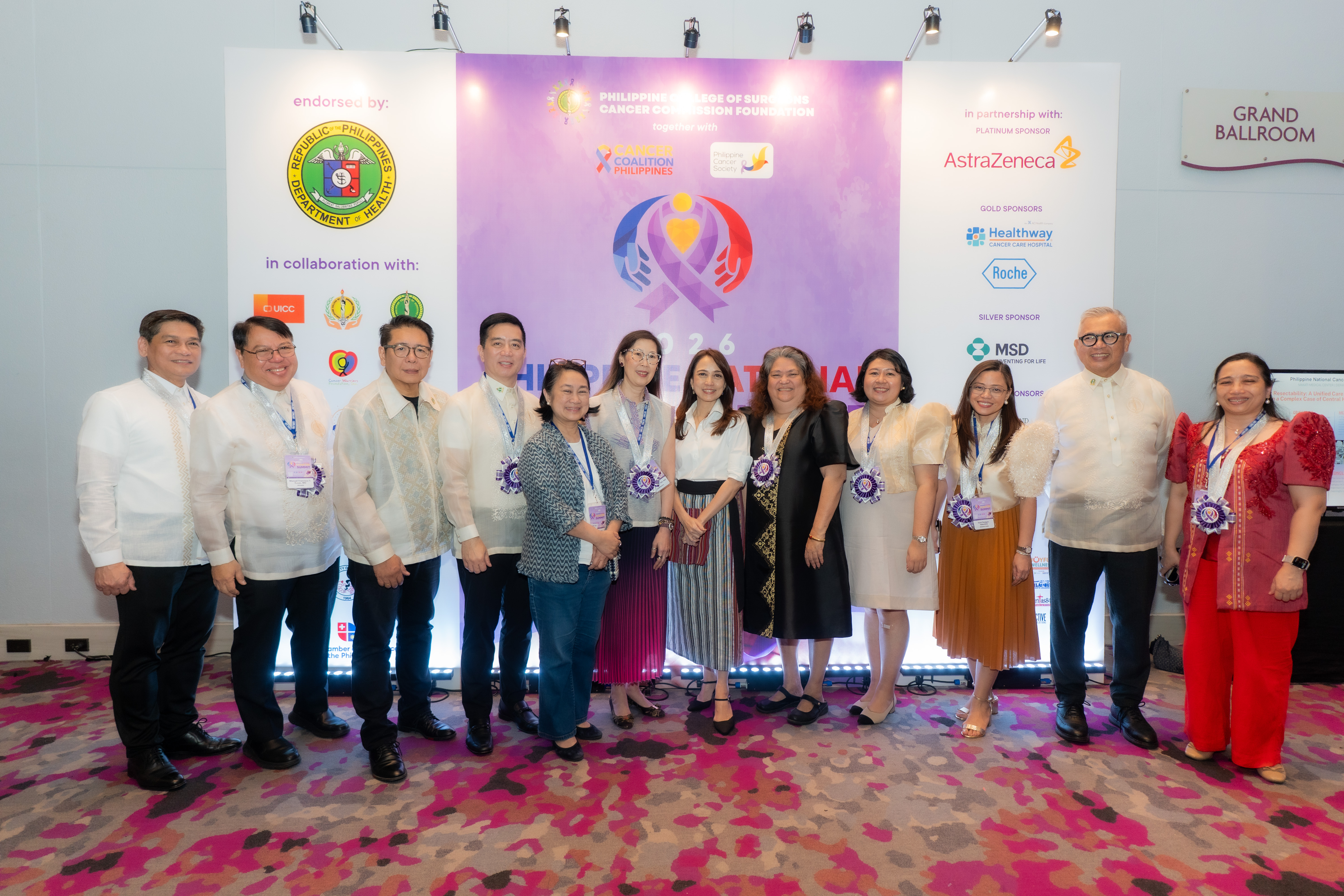











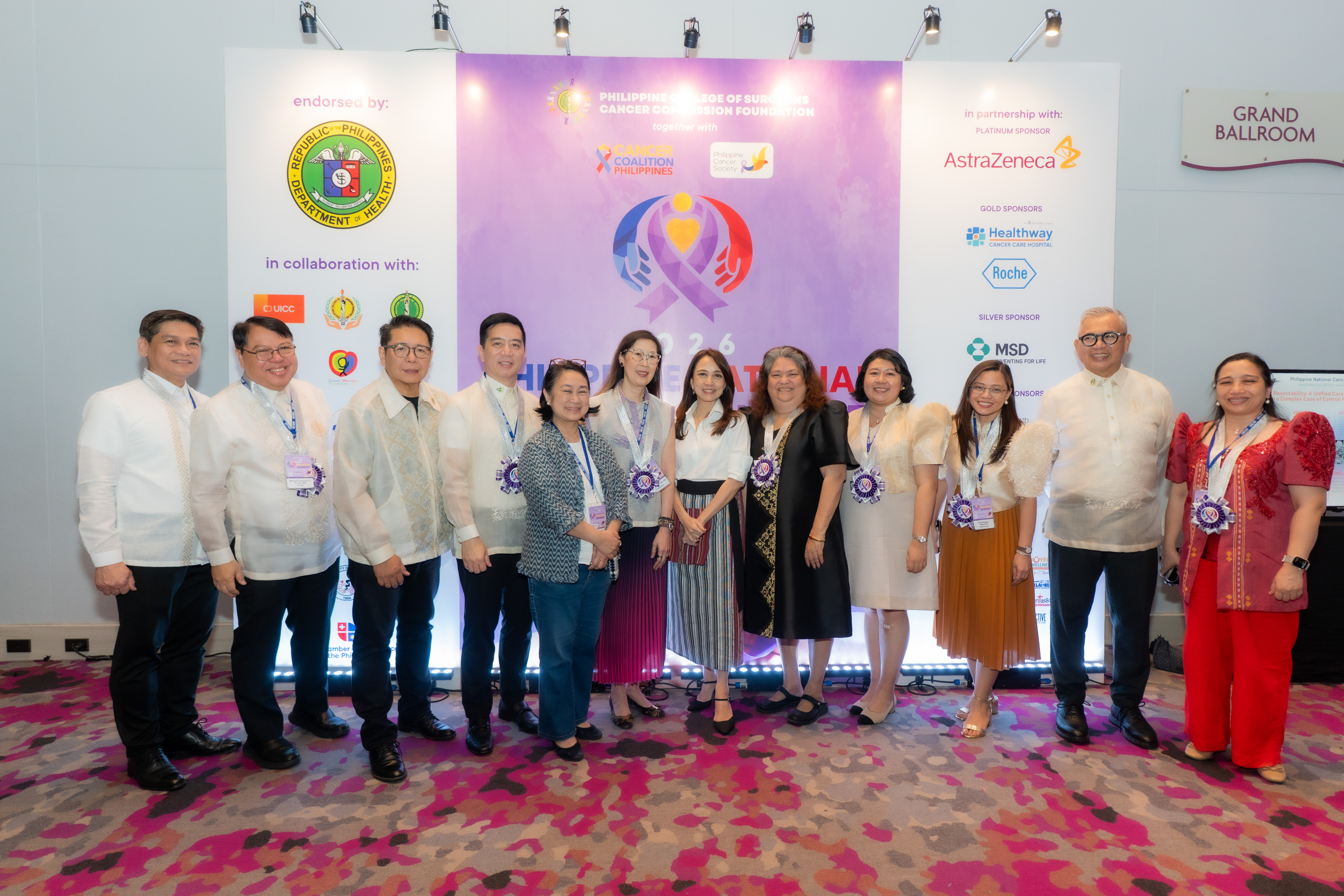
This year’s Philippine National Cancer Summit (PNCS) came to an end with the launch of the National Cancer Grid, an initiative seeking to standardize cancer care across the Philippines, so that patients may benefit from a unified, person-centered healthcare system.
According to the Globocan report, cancer is now the second leading cause of death in the Philippines, with more than 300 lives lost daily. In addition, cancer places a significant financial burden on patients and their families.
“Fragmentation is our biggest challenge,” said Dr. Catherine SC Teh, Chair of the Philippine College of Surgeons Cancer Commission, which organizes PNCS.
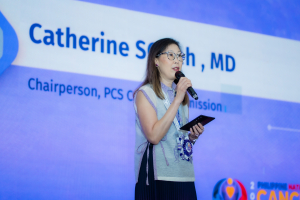
“We have skilled clinicians, but the burden of integrating care is currently placed on the sick patient rather than the system. Every year, 1.5 million families are pushed into poverty by health expenses. This must change.”
To help address this, the Unified Philippine National Cancer Grid seeks to streamline the journey cancer patients and their families go through. Its pillars include:
- Standardized Quality: Ensuring patients in remote provinces receive the same level of care as in a premier metropolitan hospital.
- Integrated Navigation: Bridging silos in cancer care so that prevention, diagnosis, treatment, and palliative care can be done seamlessly.
- Data-Driven Equity: Building a registry that can be easily and more widely accessed to prevent data silos, and to ensure resources reach the underserved.
- Community-Rooted Care: Engagement and investment in the community around patients.
In light of this, the PNCS calls upon corporations to join as strategic partners in the National Cancer Grid to help provide the funding and digital infrastructure necessary for large-scale nationwide scaling. It also calls upon healthcare providers to adopt a multidisciplinary team approach as it takes care of cancer patients, in order to help ensure that no patient is left to navigate the system on their own. The public is also called upon to advocate for early cancer screening and to support community-led intiatives for better cancer care, and support for survivors.
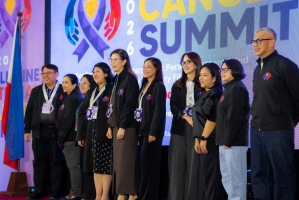
The gift of strong networks
PNCS is spearheaded by PCS CANCOM, a non-profit organization dedicated to empowering Filipinos on their cancer journeys, and seeking better quality of life and survivorship. They are a recognized partner of the Department of Health in promoting the Multidisciplinary Team Approach, and in monitoring Cancer Surgical Treatment Outcomes as set under the National Integrated Cancer Control Act (NICCA).
Under the theme “Scaling Up What Matters Most: Person-Centered and Integrated Cancer Care for Every Filipino”, this year’s summit served as a platform to connect and empower healthcare workers, organizations, and survivors in tackling cancer not just as a medical condition, but a social problem with wide-reaching economic implications.
The summit brought together representatives from the private and public sector to talk about bringing cancer care in the Philippines forward.
Representing President Edwin Mercado of PhilHealth, Dr. Alfred Philip De Dios reaffirmed the commitment to Universal Health Care: “Our aim is to make sure all people can benefit from quality health service, including prevention, diagnosis, treatment, and palliative care.”
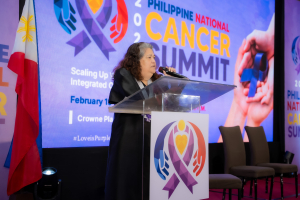
Bringing better cancer care to Filipinos means that multiple sectors must come together to scale up strategies and models of care. This includes expanding access to underserved and vulnerable populations in the Philippines. At the same time, organizations must harness data and innovation to build more responsive systems, while grounding solutions in human dignity and patient experience.
As mentioned by Carmen V. Auste, VP of the Cancer Coalition Philippines,”Our world has been characterized as uncertain and full of anxiety, and yet, a gift we have is the strong networks and linkages across governments and various medical societies and institutions, and patient support organizations.”
[embed-health-tool-bmi]


